

|
Join the Founding Class! The next 20 students to enroll only pay $3,000.
|
From software giants to job-ready skills, learn how this growing industry works and how you can become part of it.
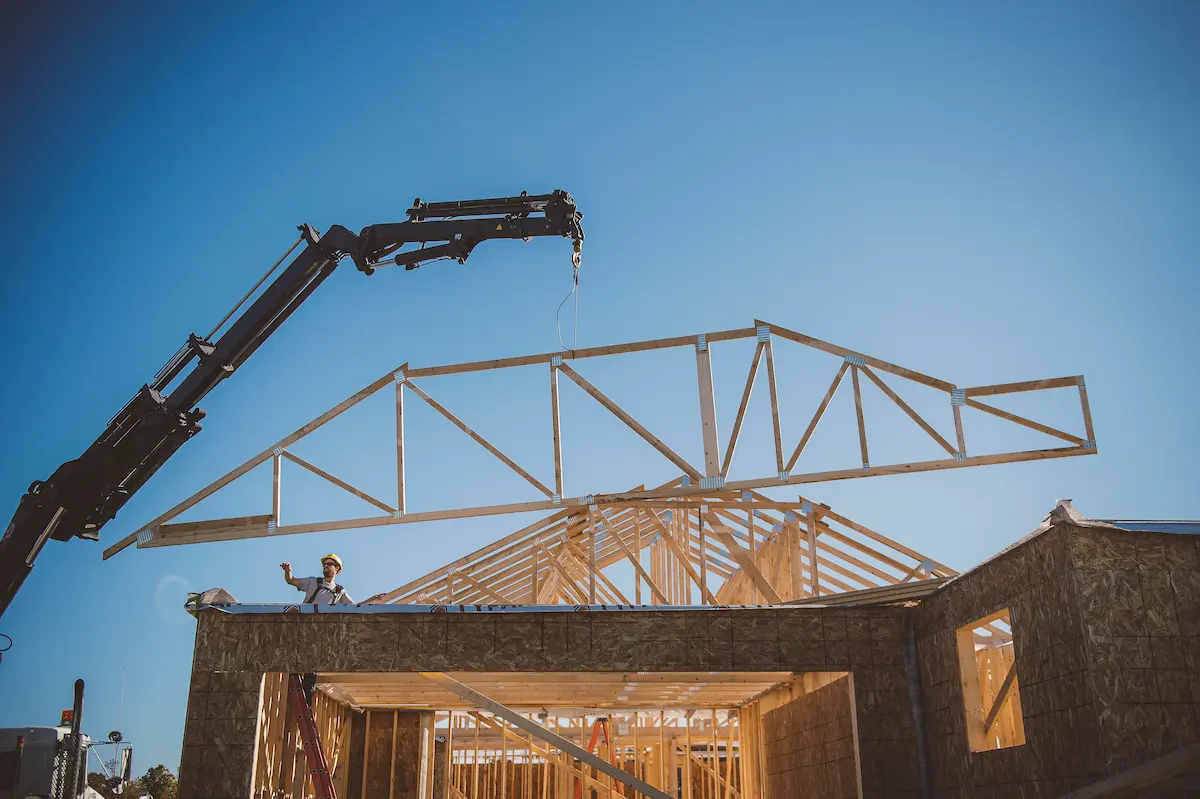
Truss systems are essential structural elements in almost every type of building—from homes and offices to warehouses and schools. As new construction continues to rise across the U.S., so does the demand for skilled truss designers who can turn architectural plans into safe, functional frameworks.
According to the U.S. Bureau of Labor Statistics, construction employment is expected to grow steadily, adding over 250,000 jobs by 2031. Truss design is a niche role with a big impact and one that offers long-term career potential without needing a college degree.
If you work in truss design, you’ll most likely work with one of two dominant software platforms: MiTek® or Alpine®. Together, these companies power about 90% of the truss plants across the country. Their software is the industry standard used daily by truss designers to model, optimize, and engineer truss systems.
But here’s the catch:
Access to this software is traditionally limited to those already working in a truss plant. That means new designers often get thrown into the deep end with no training and no way to learn ahead of time.
Until now.
SCA offers the only self-guided training program designed to teach you how to use these powerful tools before you ever set foot in a truss plant giving you a major advantage over other entry-level applicants.

A global leader in structural engineering software & building components.

Known for precision software and strong industry partnerships
Provides engineered connectors and structural systems.

Supplies connector plates and offers proprietary design software.

The SBCA is the national trade association representing manufacturers of structural building components. It promotes best practices, safety, and innovation across the industry.
SCA aligns with SBCA values and ensures our training reflects the standards upheld by industry professionals nationwide.
Truss Designers work closely with registered engineers behind the scenes to design and model the structures that support roofs, floors, and more. Using CAD tools and proprietary software, they turn architectural plans into real-world designs.
Common responsibilities include:
Whether you’re working on a residential home or a large commercial project, truss designers ensure that what’s drawn on paper can stand strong in real life.
Truss Designers can earn to to $100,000 or more annually, with full-time roles often including benefits, paid time off, and advancement opportunities. As you gain experience, you could grow into:
This is a career that rewards precision, creativity, and ongoing learning without requiring student loans or years in school.